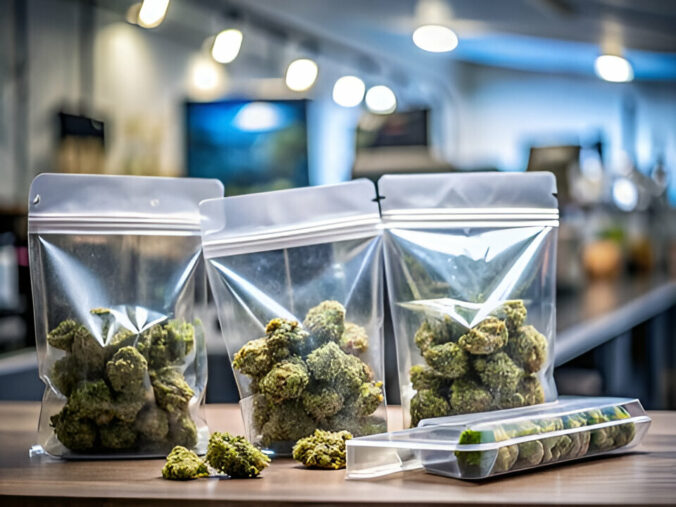
Products such as pharmaceuticals, cannabis, and chemicals heavily depend on child-resistant packaging. The key purpose of child-resistant packaging is to save children from harmful substances and allow adults to access the products easily. The main problem encountered by companies is the design of 420 packaging that consists of both – safety for children and user convenience. The balance is the key to the retention of customer satisfaction, compliance with regulations, and business success.
Understanding the Importance of Child-Resistant Packaging
The primary goal of child-resistant packaging is to keep children out of the reach of hazardous material. Besides that, the packaging has to be certified by different regulatory authorities, such as the Consumer Product Safety Commission (CPSC). To be child-resistant means no way for kids to open packages by accident, and at the same time, it is convenient for adults to use.
Additionally, businesses should realize that the packaging has to be designed to meet the requirements of elderly user groups such as adults and seniors with dexterity issues. The real challenge here is creating 420 packaging solutions that are safe, functional, and easy to use.
The Growing Demand for Child-Resistant Packaging in the Cannabis Industry
One of the industries that have very high consumer demand for child-resistant packaging and is a strong case for the necessity of such packaging is the cannabis industry. Legalization has led to the necessity of safety packaging in the marijuana industry, which has become a unique customer requirement. 420 packaging that is specially made for children’s protection is often a requirement now in the cannabis sector. This kind of packaging is thoughtfully prepared to deny access to children, who may expose themselves to the danger of ingesting the products, which are exactly edibles or concentrates, without the parents’ knowledge.
Cannabis businesses must be careful in the choice of packaging that meets regulatory standards and, at the same time, will be comfortable for the consumer. Most of the child-resistant 420 packaging that is available in the market today has features like push-and-turn caps, secure zip locks, or tamper-evident seals as part of the child-resistant system to guarantee that the adults can access their products while children are kept at a distance.
Problems with the Design of User-Friendly 420 Packaging
Although having child-resistant elements is essential, businesses also need to make sure that 420 packaging is easy to open for adults, especially those with disabilities or reduced hand strength. Complicated functions may be quite annoying to the customer and may lead to a negative user experience. The key is to come up with a design that is intuitive for adults and, at the same time, they can prevent children from accessing the products.
Meanwhile, it is necessary to know whether the packaging is user-friendly by customer testing and feedback. Companies find such insights most useful because they can help identify the most effective and simple-to-use designs.
Combining Safety with User Experience in 420 Packaging
To meet user intent, businesses need to pick the right 420 packaging solutions that go far beyond meeting safety standards by combining user preferences in the design. It is also essential that the packaging is safe and easy to use with great satisfaction to the customers, as well as to prevent unwanted risks of misuse. Businesses can partner with packaging designers to test and improve their packaging to be more functional and safer.
Wrap Up
In the cannabis industry, child-resistant 420 packaging is very important not only in keeping children away from harmful substances but also in enabling access to the products by adults. The most challenging part is finding appropriate packaging solutions so that the safety and user experience match. When companies make use of tamper-evident seals, push-and-turn caps, and transparent labelling, they accept the challenge of creating packaging that goes beyond meeting both regulatory standards and consumer expectations.